


The Governor of the Nile River State Welcomes Leaders of the University of Khartoum and Commends Its Role in Preserving Sudan’s History and Serving the Community
- oleksandratarasenk
- Oct 11, 2024
- 3 min read
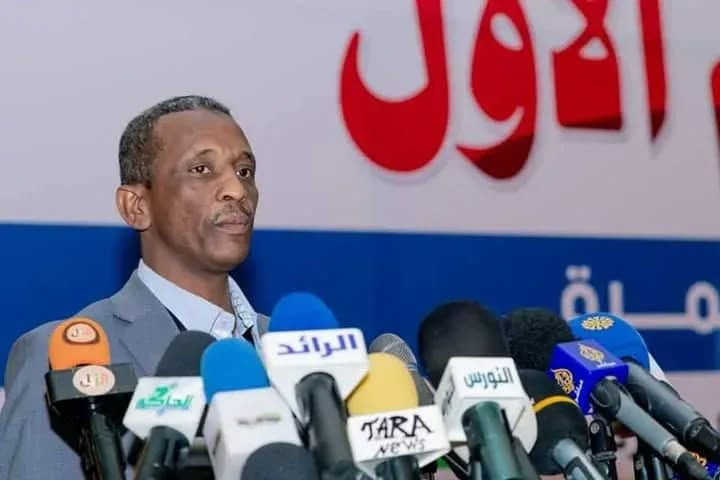
Dr. Mohamed Al-Badawi Abdelmajeed Abu Qurun, acting governor of the Nile River State, praised the University of Khartoum for its pivotal role in serving both the nation and the Sudanese community. His remarks came during a meeting with a delegation from the university, led by Professor Emad El-Din Al-Amin Al-Tahir Ardeeb and Dr. Mahmoud Ali Ahmed, the university’s deputy, along with other officials. Also in attendance were Ahmed Hamed, the state's Minister of Education; Dr. Najda Al-Zubair Arbab, Minister of Animal Resources; and Dr. Magda Abdullah, Minister of Health.
The governor pointed out that the University of Khartoum has left a clear mark on the history of Sudan, benefiting people both inside and outside the country. As one of the oldest and most prestigious universities, it has produced thousands of graduates in various fields and raised Sudan's name in global forums.
He praised the university's role in research, which he described as the foundation for growth, development, and prosperity. The governor also welcomed the collaboration between the University of Khartoum and both the University of Wadi El-Nil and the University of Shendi, viewing this partnership as beneficial for both the state and the nation. He warmly welcomed the university's initiative to establish a Faculty of Veterinary Medicine and a Medical Research Center in the state.

The governor expressed optimism about the University of Khartoum's plan to begin its activities in the Nile River State and announced his approval to allocate a plot of land for the university to build a campus and facilities, which would allow it to resume its academic and research activities. He viewed this move as a major gain for the people of the state, contributing to the development of various fields and reinforcing the state’s reputation as a center of knowledge and scholarship.
In turn, Ahmed Hamed, the state's Minister of Education, welcomed the delegation, expressing the ministry's happiness with the university’s cooperation. He noted that the state had adopted the slogan "Education cannot wait," launching the academic year ahead of other states in Sudan. The minister added that the state had absorbed all the incoming students and committed to meeting their needs, which has put a strain on the schools. He expressed hopes for the University of Khartoum’s assistance in the teaching process.
Dr. Najda Al-Zubair Arbab, the state's Minister of Animal Resources, expressed her great satisfaction with the university's collaboration through the establishment of a Faculty of Veterinary Medicine and its contribution to veterinary research. Dr. Magda Abdullah, the state's Minister of Health, highlighted the university's crucial role as a renowned institution. She emphasized that the establishment of a Medical Research Center by the university would be a breakthrough for the state, particularly in light of the prevalence of diseases such as cancer and kidney failure. She added that this center would be a valuable asset for the state, benefiting both the public and medical students.
Professor Emad El-Din Al-Amin Al-Tahir Ardeeb, the Director of the University of Khartoum, expressed his deep appreciation for the attention and warm reception from the state government and the leadership of the universities of Wadi El-Nil and Shendi. He acknowledged the governor's approval to grant the university a plot of land, affirming the state's commitment to strengthening ties with the university. This step, he said, would allow the university to play its role in serving the community. He announced the university's plans to establish a Faculty of Veterinary Medicine and a Medical Research Center, focusing on diseases prevalent in the state, including cancer and kidney failure.
He also confirmed the university’s cooperation with the state’s Ministry of Education by providing teachers to assist with the large influx of students. He affirmed that the university would remain a strong partner in advancing the state’s development across all sectors.


Comments