


Qatari Government Commits to Health Projects in Sudan, Including Dialysis Machines and Pediatric Heart Surgery Support
- oleksandratarasenk
- Oct 15, 2024
- 1 min read

The Federal Minister of Health, Dr. Haitham Mohamed Ibrahim, held a meeting in Doha with the Qatari Minister of International Cooperation, Ms. Lolwah Al Khater, in the presence of her executive team, the staff of the Sudanese embassy led by Ambassador Ahmed Sawar Al-Dahab, and a delegation from the Sudanese Ministry of Health. The Sudanese delegation expressed their gratitude to the government and people of Qatar and the Minister of International Cooperation for their strong support for Sudan in international and regional forums, including the United Nations.
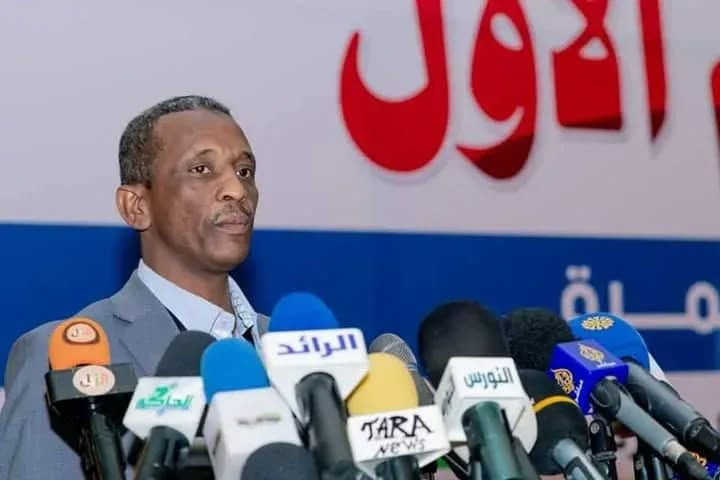
In a press statement following the meeting, Dr. Haitham Mohamed Ibrahim announced that the Qatari government had approved a project to provide 50 dialysis machines, a list of life-saving essential medicines for three months, and medical equipment for major hospitals, in addition, to support for chronic diseases through a pediatric heart surgery project and a cancer center. He also confirmed the continuation of specialized surgical camps for Sudanese and Qatari doctors in various states of Sudan, praising Qatar's significant role in supporting Sudanese projects, particularly in the health and humanitarian sectors.
The minister thanked Qatar for their recent assistance, which encompassed cancer medications, dialysis solutions, ambulances, and a previous airlift of medical supplies, confirming the continuation of these vital projects. In response, Ms. Al Khater instructed the formation of executive mechanisms for monitoring and follow-up, with oversight from the Qatar Development Fund, which serves as the principal body supporting humanitarian efforts beyond Qatar. She lauded the Ministry of Health's commitment to maintaining healthcare services and managing epidemics in Sudan amid the challenging circumstances, assuring continued support for the rehabilitation of the health sector in the post-war period.


Comments