


Governor of Khartoum: The glory and heroism of the Sudanese army have always been present among the early pioneers of our country's poets
- oleksandratarasenk
- Oct 10, 2024
- 2 min read
The Governor of Khartoum, Mr. Ahmed Othman Hamza, emphasized that the glory and heroism of the Sudanese army have always been celebrated by early pioneering Sudanese poets, who immortalized these achievements through Haqeeba songs. He credited Sudanese researcher Mr. Awad Babiker for preserving this legacy over the past 60 years through his well-known radio program, Haqeebat Al-Fann, broadcast by Sudanese Radio. This was highlighted during the governor's visit today to Mr. Awad Babiker at his residence in Al-Thawra.
The governor affirmed that, despite the ongoing war, they remain committed to fulfilling their duties to different segments of society, including the creative community. He commended Mr. Awad Babiker for his invaluable contribution to documenting a crucial era of Sudanese music and enriching the radio archives with artistic masterpieces. He is truly deserving of recognition.
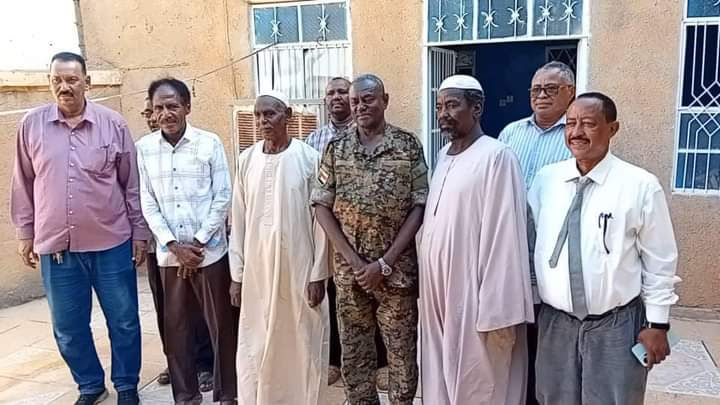
Governor Hamza revealed that the Ministry of Culture and Information of Khartoum State has established a special program to honor creative individuals and document their artistic works and productions. He urged anyone who possesses creative works that have not been damaged by militias to assist in collecting these materials, directing the Ministry of Culture and Information to take on this responsibility.
The governor praised the role of artists in the Battle of Dignity, noting that many artists are on the frontlines, some of whom have suffered at the hands of militias. He added that one of the most painful forms of suffering is being forced to leave one's neighborhood and home, even though we say, "All its parts are our homeland."
In response, Mr. Awad Babiker expressed his deep appreciation for the visit, considering it an honor. He shared his joy over the victories of the armed forces and other regular forces in Bahri and expressed hope to return to his home in Al-Kadro soon, along with his people displaced from Al-Halfaya to the surrounding villages. He also reflected on how Haqeeba songs have immortalized the heroism of the Sudanese army, specifically mentioning Karouma, Abdulrahman Farah, and others.


Comments